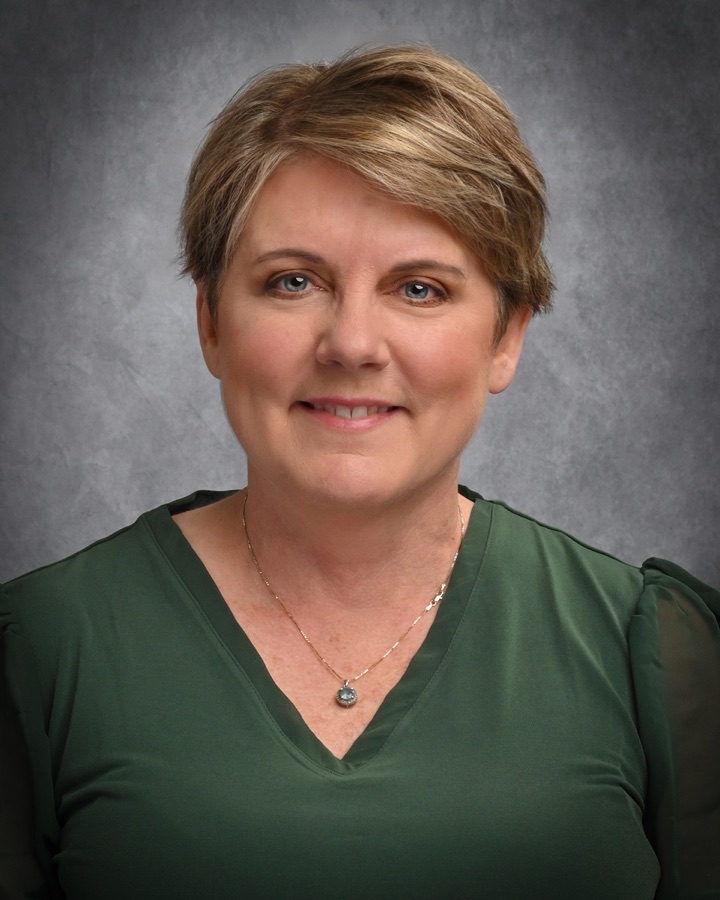
Hi, I'm Wendy.
I help nonprofits figure out where AI fits in how their work gets done. I run operations inside one, and I did this work there first.
Founder, Journey to Impact · Director of Operations at a statewide nonprofit
Where it started
Before nonprofits, I spent 15 years in marketing agencies: consulting and sales at two national agencies, then COO of a regional one. That was the era when "do we really need a website?" was a real question. My job was explaining to small and mid-sized businesses why this internet thing wasn't going away, and helping them take the first step without wasting money.
In 2017 I joined Habitat for Humanity, and today I'm Director of Operations at a statewide Habitat organization that supports 43 local affiliates, so my days are spent on donor data, fundraising operations, programs, compliance and technology, alongside the people who build homes in every corner of the state.
What I saw
When AI arrived, it felt like the early internet all over again, only faster. Nonprofits could see it coming and didn't know where to start. Meanwhile their staff had already started on their own, pasting organizational data into personal ChatGPT accounts because nobody had given them anything better or told them where the lines were.
I also saw that buying another tool doesn't fix anything. Most nonprofits I know run a different piece of software in every department, none of it connected. AI added on top of that just makes the mess move faster.
What I did about it
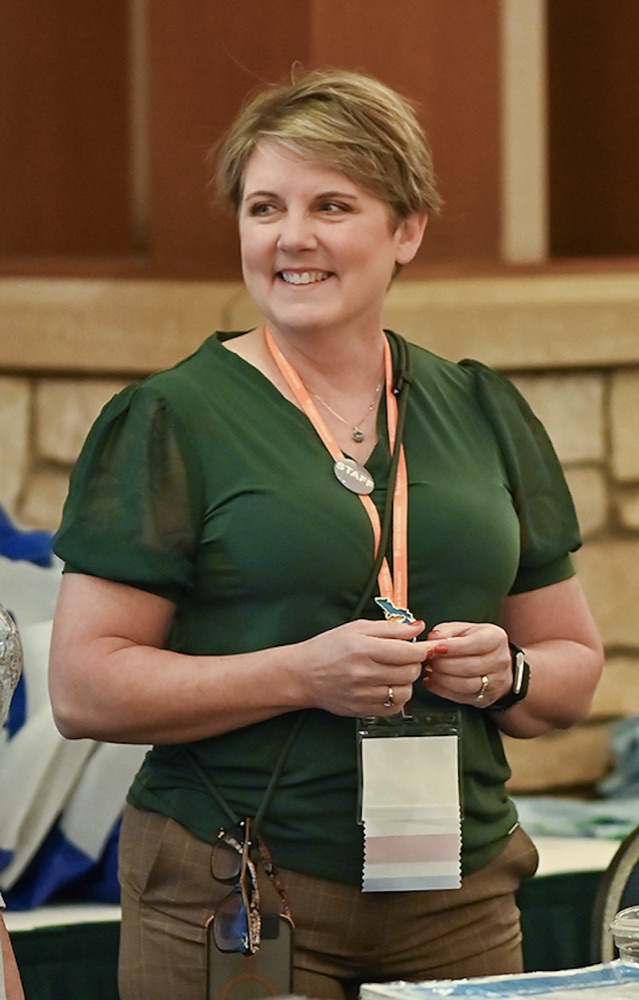
So I started at home. I ran a full AI audit of my own organization: six interview sessions with five department leads, every friction point traced back to what someone actually said, and 21 opportunities put in an order a 15-person team could manage. Then we put the team on Claude at nonprofit pricing, wrote the ground rules, recorded a seven-video setup series, and started weekly workshops, because handing people a tool and walking away changes nothing.
Word got around. Other nonprofits started asking how we'd done it, and some asked me to do the same for them. That's Journey to Impact.
Why "Journey to Impact"
Impact is the word nonprofits live by. It's how you tell your story: the families housed, the kids mentored, the communities that are stronger because you showed up. Every tool you adopt should add to that story.
Figuring out AI is a journey. There's a lot of new ground, the landscape changes every month, and nobody gets it done in one step. Journeys go better with a map. That's what the audit produces: a Blueprint that shows where you are, where you want to go, and the route that makes sense for your organization.
What I believe
Process comes before tools.
You can't automate what nobody has mapped. The most valuable part of an audit is often seeing, for the first time, how the work actually moves between departments.
AI serves the mission.
Time saved goes back to the people you serve. I will never recommend replacing a person with a tool.
Get control of what's already happening.
Your staff are already using AI. The risk is using it with no rules, not using it at all.
Start where you are.
Recommendations have to work with a real nonprofit budget and a stretched team. That usually means connecting what you already own before buying anything new.
Teach the method, not just the tool.
Your team should be able to keep going without me.
When I'm not at a keyboard
I'm a competitive powerlifter and a USAPL national referee, which means a lot of early mornings in the gym and some very long Saturdays at meets.
Work with me
If you're a consultant, a state support organization or a nonprofit network whose members are asking about AI, I'd like to hear from you.
wendy@journeytoimpactai.comLet's talk
Thirty minutes to talk about your organization and where AI might help. Free, and you'll walk away with at least one idea.